Performance marketing has never moved faster. Budgets are tighter, audiences are more fragmented, and the margin for error is razor-thin. As a result, marketers everywhere are asking the same question: Should we trust AI or human instinct to drive results?
The honest answer? Both – but only when used correctly.
In 2026, the brands winning in performance marketing aren't choosing between AI and humans. They're building smarter systems where each plays to its strengths. Let's break down exactly what that looks like.
Why the "AI vs Human" Debate Misses the Point
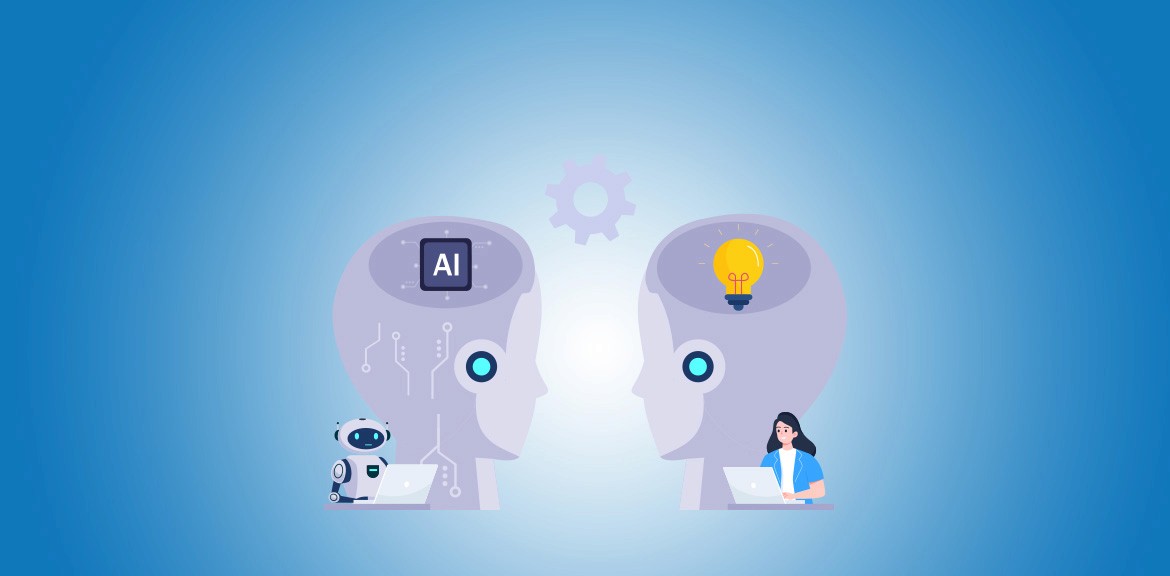
It's easy to frame this as a competition. But experienced marketers know that AI in performance marketing isn't a replacement; it's a force multiplier.
Think of it this way: AI handles the heavy lifting of data processing, pattern recognition, and automation at scale. Humans bring judgment, creativity, and the contextual understanding that no algorithm can replicate, at least not yet.
The brands that struggle are those that go all-in on one side. Over-relying on automation leads to campaigns that feel robotic and miss cultural nuance. Over-relying on human intuition alone leads to slower decision-making and missed optimisation windows.
The smart play is integration, not replacement.
What AI Does Exceptionally Well in 2026
1. Real-Time Bid Optimisation and Budget Allocation
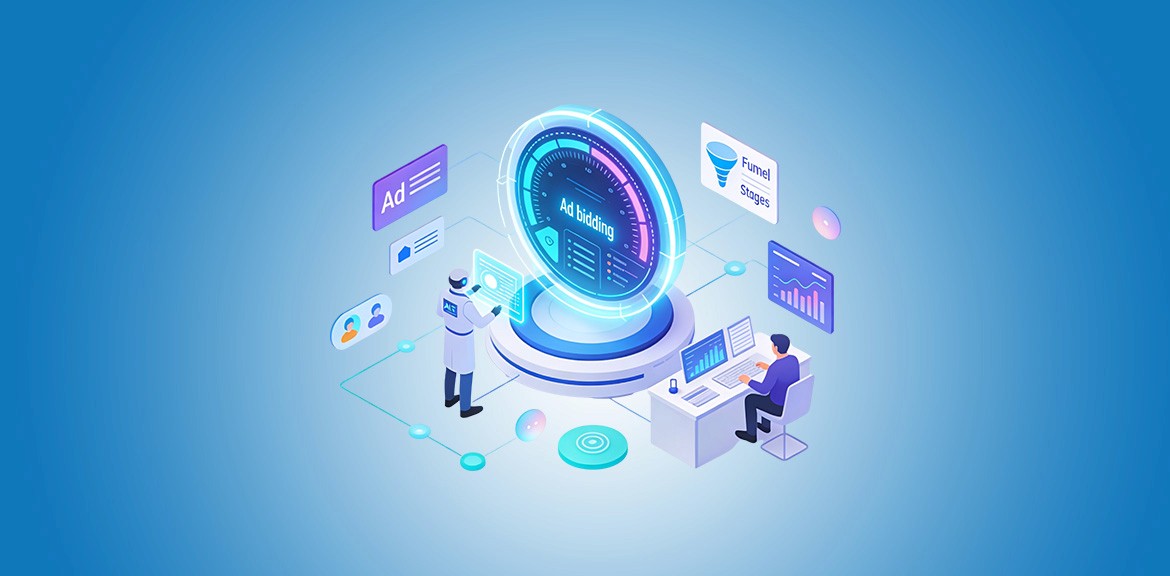
AI excels at processing thousands of data signals simultaneously – device type, time of day, user intent, and historical behaviour – and adjusting bids in real time. No human team can match that speed or consistency.
Platforms like Google's Performance Max and Meta's Advantage+ have matured significantly. In 2026, AI marketing automation now manages micro-decisions at a scale that simply wasn't possible three years ago.
2. Predictive Audience Segmentation
AI-powered tools now build dynamic audience segments that update continuously based on real behaviour, not just demographic assumptions. This means your ads reach the right people at the right moment, not just the right profile.
3. Creative Testing at Scale
AI can run multivariate creative tests across hundreds of ad variations simultaneously, identifying winning combinations far faster than traditional A/B testing. It surfaces insights about headline length, image type, CTA phrasing, and emotional tone, all backed by live performance data.
4. Automated Reporting and Anomaly Detection
Instead of manually pulling reports, AI now flags performance anomalies, budget pacing issues, and conversion drop-offs before they become costly problems. Your team spends less time in dashboards and more time acting on insights.
Where Human Strategy Remains Irreplaceable
1. Brand Positioning and Messaging
AI can test which message performs better. It cannot tell you what your brand stands for or craft an emotional narrative that resonates with your audience. That requires human understanding of culture, context, and competitive positioning.
2. Strategic Decision-Making
When to enter a new channel, how to respond to a competitor's campaign, or whether to pull back spend during a PR crisis – these are judgment calls that require experience, business acumen, and, often, gut instinct. A human vs AI marketing strategy debate ends here: the humans' own strategy.
3. Creative Ideation and Storytelling
Great creativity still starts with a human idea. AI can assist in production, iteration, and testing, but the spark, the concept that makes someone stop scrolling, comes from human creativity. In performance marketing, creative is still the biggest lever you can pull.
4. Client and Stakeholder Relationships
Trust, alignment, and nuanced communication – these are fundamentally human skills. No AI tool can manage a difficult conversation with a client or navigate internal stakeholder dynamics. Your team's relationship skills are a genuine competitive advantage.
The Winning Formula: Human-Led, AI-Powered
The most effective performance marketing trends in 2026 point to one clear model: human strategists setting direction, AI executing and optimising at speed.
Here's what that looks like in practice:
Humans define the campaign goal, target audience, and creative brief
AI builds and launches campaigns, allocates budget dynamically, and tests variables
Humans review AI-generated insights and make strategic pivots
AI automates reporting, flags issues, and scales what's working
Humans manage creative refresh cycles and maintain brand coherence
This division of labour isn't just efficient; it's measurably more effective. Teams using this model consistently report higher ROAS, faster optimisation cycles, and fewer costly mistakes.
Common Pitfalls to Avoid
Even well-resourced teams make avoidable mistakes when integrating AI. Watch out for:
Over-trusting automated recommendations without questioning the underlying data quality
Neglecting creative refresh because automation is running smoothly
Ignoring first-party data in favour of platform-native AI signals
Removing human oversight from high-spend campaigns prematurely
AI is only as good as the strategy and data you feed it. Garbage in, garbage out – it still applies in 2026.
FAQs: AI vs Human Strategy in Performance Marketing
Q1: Can AI fully replace human marketers in performance marketing?
Not in 2026, and likely not anytime soon. AI excels at automation, optimisation, and data processing. But strategic thinking, creative ideation, and relationship management still require human expertise. The most effective teams use both.
Q2: What is AI marketing automation, and how does it work?
AI marketing automation uses machine learning to handle repetitive, data-driven tasks such as bid adjustments, audience segmentation, and performance reporting without manual intervention. It works by analysing large datasets in real time and making decisions based on defined goals and historical patterns.
Q3: Which performance marketing channels benefit most from AI?
Paid search, paid social, and programmatic display see the biggest gains from AI integration. These channels generate enormous amounts of real-time data that AI can act on faster and more accurately than any human team.
Q4: How should I decide how much to rely on AI in my campaigns?
Start by identifying high-volume, repetitive tasks – bidding, reporting, A/B testing – and automate those first. Keep humans in control of strategy, creative direction, and anything that touches brand perception. Gradually expand AI's role as you build confidence in the data and outputs.
Q5: What are the biggest performance marketing trends in 2026?
Key trends include AI-powered creative testing; first-party data strategies as third-party cookies phase out further; increased use of predictive analytics; and tighter integration between CRM data and paid media platforms.
Ready to Build a Smarter Performance Marketing Strategy?
The gap between brands that thrive and those that stall in 2026 comes down to one thing: how well they combine AI capability with human expertise.
At Techifinity, we help performance-driven brands build marketing systems that do exactly that, leveraging the best AI tools while keeping a sharp human strategy at the centre of every decision.
Whether you're looking to scale your paid media, improve your ROAS, or build an AI-integrated marketing operation from the ground up, our team is ready to help.
Get in touch with Techifinity today, and let's map out a performance marketing strategy built for 2026 and beyond.
Reviewed by: TechInfinity Content Team
Last Updated:
This article follows our Editorial Policy and Content Review Process to ensure accuracy and relevance.